The Paradox of the Anthropocene: Creating to Destroy
We build cities on seismic fault lines, hotels facing the ocean, and factories in floodplains. Then, when nature reclaims its rights, we call these events “natural disasters.” A misnomer. Because it is our choices, far more than the whims of the Earth, that transform chance into tragedy.
The 21st century is writing its history in letters of fire and mud. Droughts, torrential rains, megafires: climate change acts as a risk multiplier, transforming natural phenomena into a chain reaction of disasters. Aging infrastructure and uncontrolled urban sprawl amplify each shock. Yet, solutions exist, provided we abandon short-term thinking.
PAPIR: From concept to life-threatening emergency
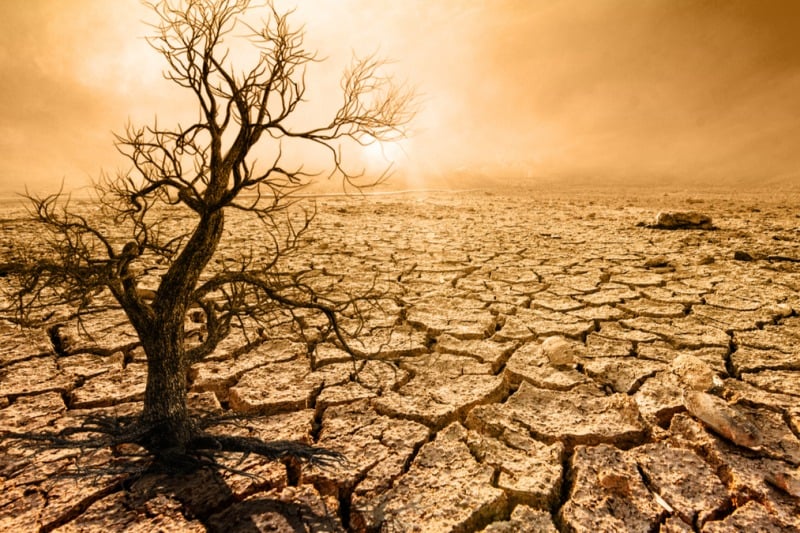
«PAPER rather than CURE”: this is the imperative of a century where every shock must become a lesson, not a repetition of disaster.»
Faced with this headlong rush, the PAPIR model ( Prevention, Mitigation, Preparation, Intervention, Recovery ) emerges as a grammar of survival.
- Prevention : Mapping the unimaginable. Like Morocco, which, after the devastating Haouz earthquake, is now auditing its critical infrastructure, every state must integrate extreme scenarios — rising sea levels, cyberattacks, pandemics — into its urban planning.
- Mitigation : Build with humility. The Dutch dikes, and in particular the Afsluitdijk, designed to withstand once-in-a-millennium floods, show that resilience has a cost — but much less than the $417 billion in annual losses.
- Preparedness : Stockpiling for emergencies. King Mohammed VI has just launched regional strategic reserve platforms (tents, blankets, beds, medicines, food, etc.) to respond immediately to disasters (earthquakes, floods, flash floods, chemical, industrial, or radiological risks). This initiative should inspire both the public and private sectors. In an era of recurring shocks, businesses and public organizations must develop business continuity plans, securing supply chains and sensitive data, among other measures.
The royal initiative marking the kick-off of a vast national rapid disaster response program proves that resilience is not an ideal, but an accounting imperative, and proof that the BCP (Business Continuity Plan), far from being a bureaucratic gadget, saves lives.
Resilience, The New Frontier
The $417 billion in losses projected for 2024 are not inevitable, but the price of inaction. The alternative is clear: persist in denial, or make PAPIR the new genetic code of societies.
“ PAPER rather than CURE ”: this is the imperative of a century where every shock must become a lesson, not a repetition of disaster. For in the Anthropocene, true performance is not measured in GDP points, but in lives saved and chaos averted.
YES WE MUST — because urgency does not negotiate.
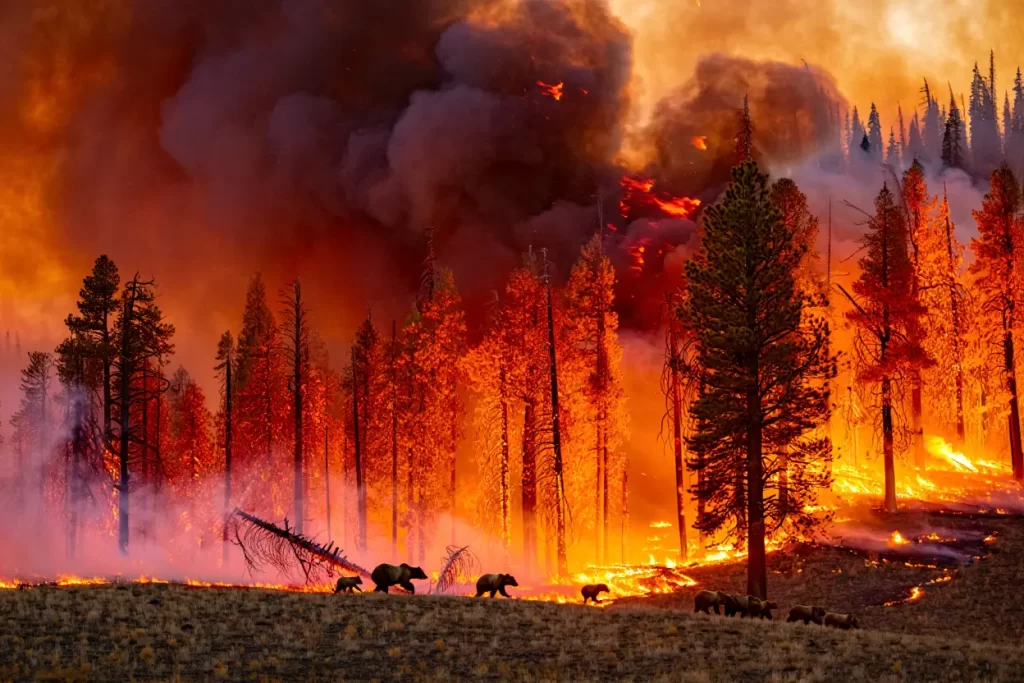
“The 21st century is writing its history in letters of fire and mud. Droughts, torrential rains, megafires.”
In conclusion — Inconvenient questions:
- What would you do if, tomorrow morning, your city was cut off from the world — no electricity, no network, no running water?
- Where would you go if your neighborhood became a flood zone in less than an hour?
- Would you have the reflexes to alert your loved ones without a smartphone?
- And most importantly: how long would your supplies — food, medicine, candles — last?
“These questions are neither survivalist nor paranoid. They reflect a reality: our extreme dependence on fragile systems. The PAPIR model is not an option, but a manual for collective survival.”
So, where to begin?
The answer might be in your pocket, on your phone… as long as it has battery power.